
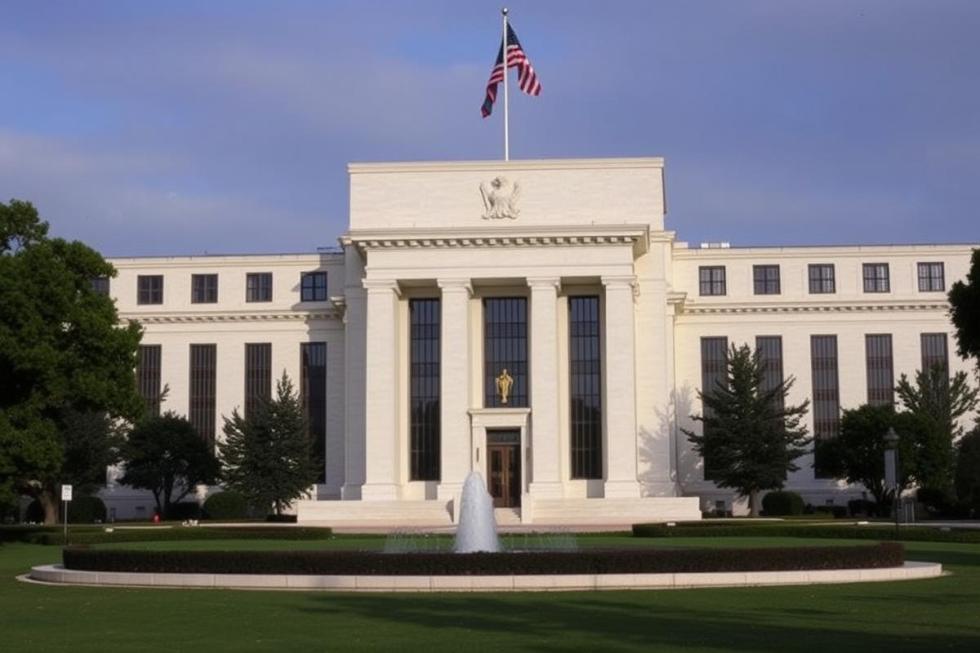
Bitcoin traders are once again watching the Federal Reserve after the central bank held interest rates steady but delivered a dot plot that pointed to a more hawkish path than risk markets wanted.
TL;DR
- The Fed held rates steady in its June 17 policy decision.
- Updated projections showed a more hawkish rate path, keeping liquidity concerns alive for Bitcoin.
- The market angle is not that the Fed directly controls BTC, but that rate expectations influence risk appetite.
The Fed’s policy statement kept the target range unchanged, but the updated projections gave traders a reason to reassess expectations for liquidity, risk assets and future rate cuts. For Bitcoin, that matters because the asset often trades as a high-beta expression of global liquidity conditions, especially when macro surprises hit bond yields and the dollar.
The stronger policy signal was not the hold itself. Markets had largely expected no immediate rate move. The issue was the forward path. If officials are less comfortable cutting, or if some projections point toward a potential hike, risk assets have to adjust to a less generous liquidity backdrop.
Why Bitcoin Reacts To The Fed
Bitcoin is not a tech stock and it is not a bond. Still, its price can be sensitive to the same macro variables that move speculative assets: real yields, dollar strength, liquidity expectations and investor appetite for duration or volatility.
When rate-cut hopes rise, Bitcoin often benefits from a looser financial-conditions narrative. When the Fed sounds more restrictive, traders may reduce leverage, rotate into cash or demand more confirmation before chasing breakouts.
That is why the dot plot matters even when there is no immediate policy change. It shapes the market’s view of what kind of liquidity environment Bitcoin is trading into.
Warsh Era Begins With A Cautious Signal
The meeting also attracted attention because of Kevin Warsh’s role as Fed chair. A new leadership era can change how markets interpret language, press conferences and internal projections. Traders will be watching whether Warsh emphasizes inflation credibility, financial stability or growth risks in future meetings.
For now, the message looks cautious. The Fed is not rushing to ease, and Bitcoin bulls may need stronger spot ETF flows, on-chain accumulation or a clean technical breakout to offset the macro headwind.
What Traders Should Watch Next
The immediate focus shifts to yields, the dollar, ETF flows and Bitcoin’s ability to hold key support levels. If macro pressure eases, BTC could stabilize quickly. If markets begin pricing a longer period of restrictive policy, leveraged crypto positions may stay under pressure.
The key takeaway is simple: Bitcoin’s long-term thesis may be independent of central banks, but its short-term trading environment still runs through the Fed.
Why The Reaction Can Be Uneven
Bitcoin’s reaction to Fed news is rarely clean in the short term. ETF flows, options positioning, miner behavior and crypto-specific headlines can all offset macro pressure for a while. Still, when rate expectations shift, the effect usually shows up first in leverage and sentiment. That is why traders watch funding, open interest and spot demand closely after Fed meetings.
Source: Official Announcement
This article was written by the News Desk and edited by Samuel Rae.