

The US Senate has moved to block the Federal Reserve from ever putting a government-issued digital dollar (CBDC) into Americans’ hands — at least for now. The ban is part of a sweeping housing affordability package and comes with an expiration date attached.
A Housing Bill With A Hidden Twist
The 21st Century ROAD to Housing Act is mostly about making homes more affordable. But buried in Title X of the bill is a standalone amendment to the Federal Reserve Act that has nothing to do with mortgages or rent.
It targets central bank digital currency — a government-issued, digital form of the US dollar. According to reports, Banking Committee Chairman Tim Scott and Ranking Member Elizabeth Warren released the bill text together ahead of a Senate vote, an unusual pairing given how differently the two lawmakers have historically approached financial regulation.
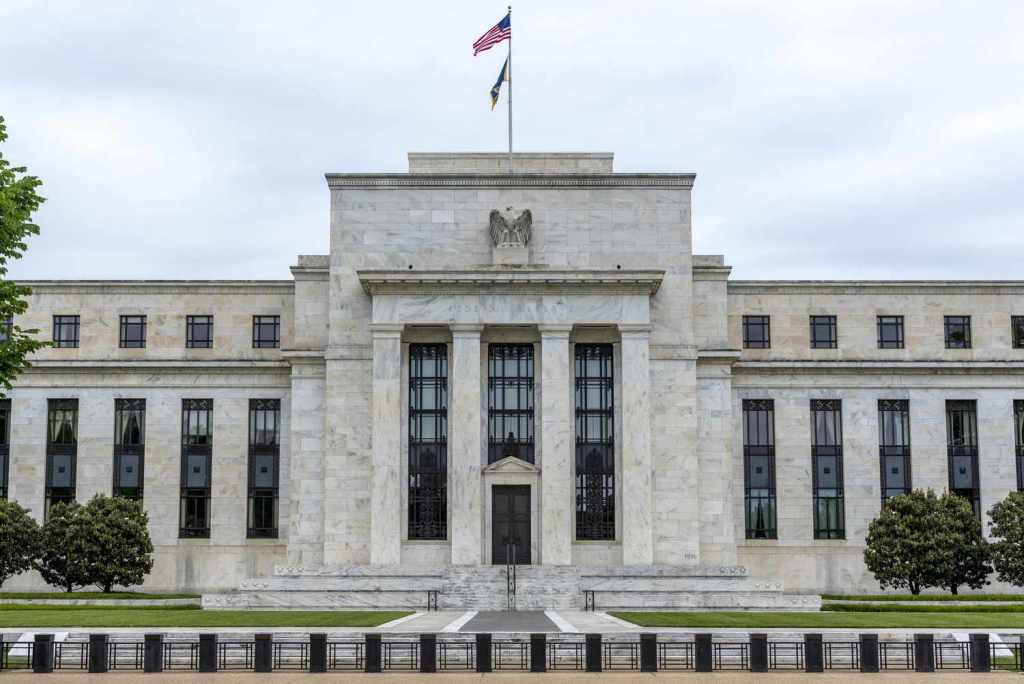

The US Federal Reserve. Image: Richard Sharrocks/Getty Images
The prohibition is sweeping in scope. It bars the Fed from issuing a retail digital dollar not just on its own, but also through banks and other financial middlemen.
Reports say the bill even covers any digital asset that functions like a central bank digital currency under a different name — closing off potential workarounds before they can be tried.
🚨NEW: Remember that CBDC ban that didn’t make it into the National Defense Authorization Act (NDAA) last year? It’s just resurfaced in @BankingGOP’s 21st Century ROAD to Housing Act, released minutes ago.
Specifically, it bans the Fed from directly or indirectly issuing a… pic.twitter.com/tfZd4JX4mq
— Eleanor Terrett (@EleanorTerrett) March 2, 2026
What Counts As A CBDC
The bill spells out exactly what it is targeting. A central bank digital currency, or commonly known as CBDC, under the proposed law, is a dollar-denominated digital asset that is a direct liability of the Federal Reserve and is broadly available to regular consumers.
That definition draws a firm line between a government-issued digital dollar and private-sector options like stablecoins or crypto assets.

BTCUSD trading at $66,673 on the 24-hour chart: TradingView
There is, however, one carved-out exception. Any digital currency that is open, permissionless, and private — and that offers the same privacy protections as physical cash — would not be blocked by the ban.
Reports note this exception appears designed to ensure that private innovation in digital payments is not accidentally swept up in legislation aimed solely at the government.
CBDC: The Clock Is Already Running
The CBDC ban is not meant to last forever. Under the bill’s own terms, the prohibition expires on December 31, 2030. Unless Congress acts again before then, the door to a retail digital dollar reopens automatically.
This sunset clause signals that lawmakers are not permanently opposed to the idea — they just want more time before anything moves forward.
The Federal Reserve has already said publicly that it would not issue a digital dollar without clear authorization from Congress.
So in practical terms, the bill reinforces a position the central bank has already taken. Still, getting that stance written into law carries real weight.
Featured image from The Daily Economy, chart from TradingView