Unexpected solutions sometimes emerge from projects that target long-standing problems in simple ways, and LiquidChain ($LIQUID) enters the market with that kind of focus.
Many teams talk about speed, but LiquidChain works to reorganize cross-chain liquidity through a clear and direct structure. This approach places the project inside rising discussions around efficient multi-chain DeFi.
Interest in faster and safer asset movement has grown across the industry. Networks still operate through separate pools, which creates delays and limits value flow. LiquidChain approaches the issue by building a Layer 3 engine designed to coordinate liquidity from major blockchains.
The project centers on Bitcoin, Ethereum, and Solana, three networks that hold large amounts of liquidity and activity. By linking them through one shared layer, LiquidChain aims for smoother operations across DeFi tools, trading platforms, and on-chain services. This angle helps explain why the project fits into early conversations about the next notable crypto presale.
LiquidChain’s Layer 3 Foundation
LiquidChain introduces a structure built to manage liquidity from several blockchains through a single routing layer. This design allows applications to use liquidity sources without creating new pools on each chain.
The system simplifies movement and reduces the steps normally needed for cross-chain transfers. Developers gain a path to support multiple networks without rebuilding their platforms. This is part of the project’s long-term vision to support cleaner and faster liquidity flow.
Transaction ordering also receives attention in the design. LiquidChain uses coordinated batching to maintain smoother settlement paths.
The goal is consistent performance that protects users and applications from delays caused by fragmented networks.
Why LiquidChain Matters for DeFi Users
Cross-chain problems often come from fractured liquidity. When each chain holds separate pools, applications face unstable prices, slow routes, and higher risk. LiquidChain responds with one shared layer that supports predictable movement.
This helps decentralized exchanges and routing tools improve execution quality. It also creates a cleaner environment for lending platforms, payments, and applications that operate across several blockchains. The unified model provides a simple framework that many DeFi builders look for when designing multi-chain systems.
The project’s documentation outlines a clear roadmap for node expansion and validator roles.
This helps the network stay reliable as activity grows across connected chains.

Crypto Presale Structure and Access
The ongoing crypto presale places the $LIQUID token at $0.01235, according to official project information. The presale supports development across several upcoming phases in the roadmap. These phases include network scaling, validator onboarding, and early integration support for DeFi platforms.
Many market observers follow early crypto presale opportunities to study emerging technologies. LiquidChain presents a model centered on practical infrastructure rather than short-term trends. The design fits into the larger movement toward unified liquidity systems across Web3.
The token’s role includes fees, validator functions, and certain settlement operations.
This structure helps tie the token to network performance.
Staking Rewards and Network Participation
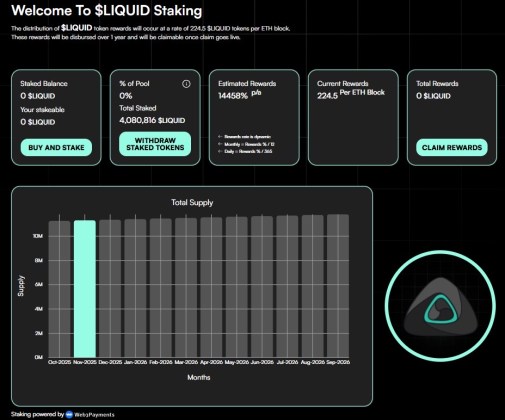
LiquidChain offers staking options that support validator activity and network stability. Current estimated rewards are listed at over 14,000% in early stages, according to the project’s data. Staking helps secure transaction flow and maintains validator engagement across the system.
The model encourages participation in network operations. It also supports long-term consistency by rewarding users who help the system function at scale. These incentives play an important part in maintaining a reliable cross-chain environment.
The staking framework appears as part of the project’s broader plan to create a strong Layer 3 engine for liquidity routing. This positions LiquidChain within key conversations surrounding multi-chain DeFi infrastructure.
How LiquidChain Supports Faster Multi-Chain Transfers
One of the main goals behind LiquidChain is the reduction of delays across cross-chain activity. Slow settlement and fragmented pools remain major challenges across Web3. The shared liquidity layer offers a direct approach to solving those issues.
Routing becomes cleaner because the system minimizes unnecessary steps between chains. This helps applications execute trades or transfers with fewer interruptions. The efficiency supports decentralized exchanges and platforms that depend on steady liquidity.
The project’s technical documentation describes how validators process activity inside the coordination layer.
This process keeps the network aligned as volume increases.
What to Expect Next From LiquidChain
LiquidChain aims to expand its validator network and integrate more assets into its liquidity layer. Plans also include stronger support for developers who want to build cross-chain tools. These steps help push the system toward broader use across DeFi.
As multi-chain demand increases, the need for shared liquidity becomes more visible. Projects that target clean routing often gain more study and long-term interest. LiquidChain fits into this trend through its Layer 3 foundation and practical system design.
Someone interested in joining a presale typically reviews the official website, checks regional rules, and follows legally required steps before participating. The price listed for the current presale stage is $0.01235, and any person under legal age or without proper permission should avoid financial commitments entirely.
Discover the future of crypto trading with LiquidChain:
Presale: https://liquidchain.com/
Social: https://x.com/getliquidchain