According to reports, China will let commercial banks pay interest on balances held in digital yuan wallets starting January first, 2026.
The People’s Bank of China has laid out a new framework that moves the e-CNY from a cash-like tool to something closer to a bank deposit. Lu Lei of the PBOC is named in official notices about the change.
Banks To Pay Interest On e-CNY
Based on reports, holders of merchant or personal digital wallets will earn interest calculated by the banks that run those wallets.
The move requires banks to treat digital yuan holdings more like deposits, and it brings those balances under China’s deposit insurance protections. Reports say non-bank payment firms that operate wallets must keep 100% reserves for the e-CNY they manage.
Adoption Numbers And Rules
According to official figures cited in media coverage, by November 2025 there were about 3.48 billion e-CNY transactions with a combined value near ¥16.7 trillion — roughly $2.37 trillion.
The new policy links interest payments to existing deposit rate arrangements, which means interest rates on e-CNY will be set in line with how banks price other deposit accounts.
Observers have pointed out that the change could shift where consumers keep money, since insured, interest-bearing e-CNY becomes more attractive for storing funds.
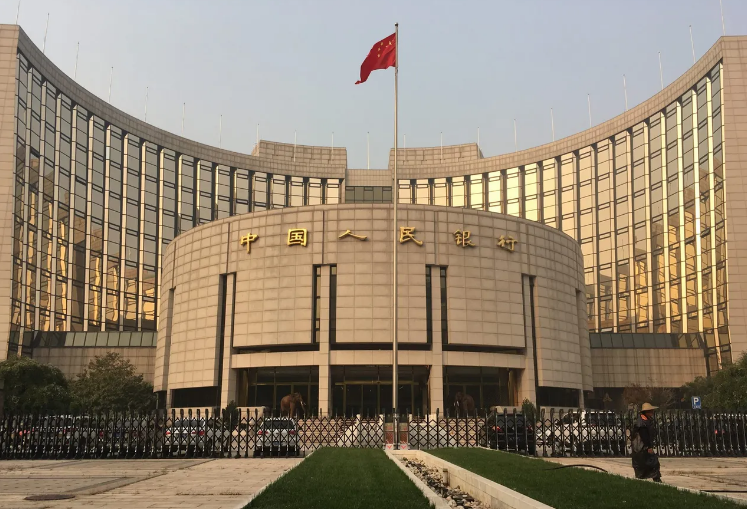
The People's Bank of China. Image: Fintech Futures
Reports have disclosed that digital yuan wallets will be subject to rules similar to those for regular bank accounts. Deposit insurance will apply, and reserve and reporting requirements will be tightened for third-party payment providers.
The PBOC framework also sets clearer rules for cross-border testing that was already under way with partners such as Singapore, Thailand, Hong Kong, the UAE and Saudi Arabia.
Banking And Policy Impact
Banks will need to adapt systems for interest calculation and for clearing e-CNY transactions at scale, which could increase operational costs in the short term. That said, some costs may be offset if more money flows into e-CNY wallets and fewer funds stay in nonbank payment platforms.
Monetary authorities will watch how these flows interact with the broader money supply and lending operations, because shifts in where deposits sit can affect credit channels.
For everyday users, the most direct change is that holding e-CNY could earn interest and enjoy the same insurance protection as deposits. For businesses, payment settlement may become cheaper or faster depending on how banks price services.
Reports suggest regulators aim to keep the system safe by demanding full reserves from third-party operators and clearer oversight by banks.
Based on reports and official statements, the change takes effect on January 1, 2026, and it marks a major step in China’s long running e-CNY program. Regulators, banks and users will all be watching how interest rules are applied and whether the shift leads to wider use of the digital currency.
Featured image from Unsplash, chart from TradingView