Bold claims are rare in crypto, but one statement holds weight today: the next stage of multi-chain liquidity may form above the networks that built this industry.
LiquidChain ($LIQUID) enters this moment with a Layer-3 design created to connect Bitcoin, Ethereum, and Solana through one coordinated layer. This targets the growing demand for movement across chains without delays or fragmented liquidity. The project also launched a presale for its native token $LIQUID.
Ethereum DeFi continues to set the standard for activity and development. Yet value often becomes stuck between chains. LiquidChain offers a system that organizes this movement through one shared structure.
The project steps into a space where networks expand, but coordination between them remains limited. This makes LiquidChain an important name in discussions about the next crypto to buy for multi-chain utility.
How LiquidChain Aligns with Ethereum and Cross-Chain Activity
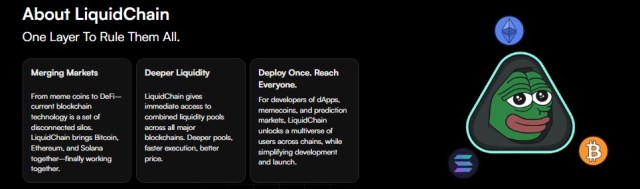
LiquidChain introduces a model that stands above major blockchains, including Ethereum. The Layer-3 design focuses on routing value across networks without depending on slow tools. This system gives applications a clearer path to reach liquidity stored across different chains.
Ethereum developers often work with complex bridging tools to interact with other ecosystems. LiquidChain aims to reduce this friction. The shared layer allows platforms to link with Bitcoin and Solana in a predictable way. This helps reduce delays, especially for DeFi tools that depend on fast settlement.
The LiquidChain whitepaper explains how the project uses validators, incentives, and fees to maintain smooth routing. Each part supports consistent movement, even as traffic rises. This creates a foundation suited for the next stage of multi-chain growth.
When you're surrounded by greatness…
You can never fail. 👁🔥https://t.co/vqvBcdSQYC pic.twitter.com/7abptjf34s
— LiquidChain (@getliquidchain) November 18, 2025
LiquidChain’s Core Features for a Multi-Chain Era
LiquidChain focuses on clarity and structure. Liquidity from several major networks becomes accessible through one system. This helps developers build tools that do not rely on external bridges. It also helps trading platforms operate with predictable access to cross-chain value.
The Layer-3 model supports stable routing. Payment tools receive cleaner channels for large transfers. DeFi platforms gain flexibility when designing solutions that need liquidity from multiple chains. LiquidChain organizes these processes through defined incentives, which appear throughout the project’s technical documents.
As more applications search for direct access to liquidity across networks, LiquidChain provides a system built to meet this demand. Its focus on stability makes it relevant to both new platforms and teams working on Ethereum-based tools.
$LIQUID Tokenomics and Allocation Structure
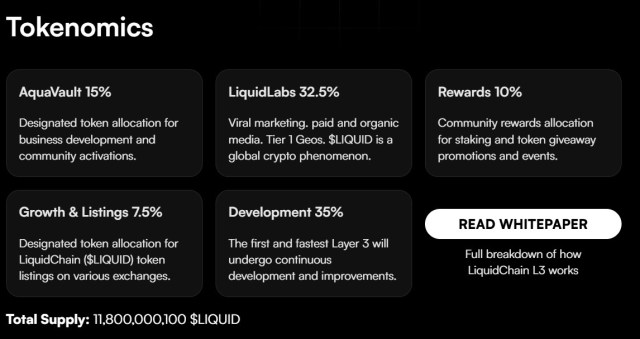
The $LIQUID token supports the project’s routing system, staking mechanisms, and governance model. The tokenomics allocation follows a structured plan that helps balance early activity and long-term development.
Development receives 30% of the total supply. This ensures resources remain available for future upgrades. The Treasury holds 25%, supporting ongoing operations. Marketing receives 20%, helping the ecosystem grow. Rewards take 15%, and Listings receive the final 10%. This distribution helps maintain stability during early growth.
The allocation supports the network’s goals. Tokenomics gives a clear outline for how resources move through the system. This transparency is important for projects that operate across several blockchains.
Crypto Presale Momentum and the Current $LIQUID Price
LiquidChain appears frequently in discussions surrounding a crypto presale that focuses on multi-chain solutions. The current crypto presale price of $0.0125 reflects the early phase of the project’s expansion. This moment places LiquidChain in ongoing conversations about the next crypto to buy with practical use.
A presale allows a project to share its token distribution plan and long-term vision. It also gives observers a closer view of how the network intends to evolve. For LiquidChain, this includes unified liquidity routing, an incentive system, and strong technical design.
The presale’s structure aligns with the tokenomics described above. The approach supports both development and early network formation. This positions LiquidChain as a project connected to discussions about an altcoin to buy that supports multi-chain utility.
A further point often raised is how LiquidChain fits into the broader category of networks preparing for the next cycle of growth. This places the project under analysis among teams looking at early infrastructure projects in the crypto presale stage.
Staking Rewards and Network Strength
Staking plays a major role in LiquidChain’s ecosystem. It helps support validators, strengthens routing, and reinforces system reliability. Current estimated staking rewards stand at over 13,000%, reflecting the early-stage incentive cycle designed to build network participation.
Validators help maintain smooth cross-chain movement. Their activity supports the structure LiquidChain uses to route value between Bitcoin, Ethereum, and Solana. Staking incentives encourage ongoing engagement, which helps secure the system as usage increases.
The rewards mechanism follows the project’s documentation on incentives and fees. These details show how LiquidChain supports network growth through a model built for long-term function.
How to Approach the LiquidChain Presale
LiquidChain enters a period where multi-chain systems play a larger role in digital asset markets. Ethereum DeFi continues to expand, and teams look for tools that help them interact with liquidity across several major networks.
LiquidChain provides a design that meets these needs through a unified Layer-3 system, which supports discussions around the next altcoin to buy for cross-chain development.
Observers watching the crypto presale at the current price of $0.0125 often begin by reviewing the project’s official documentation, token allocation, roadmap, and supported network tools. These materials help explain how the system operates across the major blockchains.
Presales function as early funding phases, so participants typically study the project’s goals and check the requirements shared on the project’s official website or verified communication channels. These steps help build an understanding of how a crypto to buy fits into long-term plans. This ensures that any involvement stays grounded in transparent and public information.
LiquidChain presents a structured approach for a future where liquidity moves smoothly across major blockchains. This places the project in broader discussions about an altcoin to buy that supports the next stage of multi-chain innovation.
Discover the future of cross-chain innovation with LiquidChain:
Presale: https://liquidchain.com/
Social: https://x.com/getliquidchain