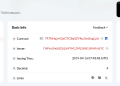


An XRPL Foundation community director has warned users about a fake “XRP Holder Tiers” announcement designed to trick holders into connecting wallets and potentially losing funds.
Public scam-warning materials identify the warning as coming from Hussein Zangana, known as “Vet,” who serves as Director of Community at the XRPL Foundation. The scam reportedly used a fake Ripple-style announcement to promote “XRP Holder Tiers,” encouraging users to connect wallets.
The most important thing to be clear about is that this does not mean Ripple’s systems were hacked.
This is a social engineering and phishing warning, not evidence of a Ripple infrastructure compromise.
TL;DR
- XRPL Foundation community director Hussein Zangana warned of a fake XRP Holder Tiers scam.
- The scam tries to trick users into connecting wallets.
- Ripple itself should not be described as hacked or compromised based on this warning.
Why Fake Announcements Work
Crypto users are trained to respond quickly to announcements.
Airdrops, rewards, tiers, snapshots, staking portals, claim windows, loyalty campaigns, and migration pages all create urgency. Scammers know this and build fake announcements that look like official opportunities.
The phrase “holder tiers” is especially effective because it suggests long-time holders might receive special treatment.
That taps into a common crypto emotion: fear of missing out on rewards for loyalty.
If a user believes an official XRP-related benefit is available, they may connect a wallet without slowing down to verify the source.
That is exactly what phishing campaigns depend on.
Wallet Connections Are A Risk Point
Connecting a wallet may sound harmless, but it can lead to dangerous approvals.
A malicious site can request permissions, trick users into signing transactions, or route them into wallet-draining flows. Even if the first click does not immediately steal funds, it can begin the process of social engineering the user into further action.
The safest rule is simple: do not connect a wallet through links found in unofficial posts, DMs, ads, or copied announcements.
Users should go directly to official domains and verify through multiple official channels before interacting with anything tied to funds.
XRP’s Community Size Makes It A Target
XRP has one of the larger and more active communities in crypto.
That makes it an obvious target for scammers. Large communities give attackers more potential victims, more social media visibility, and more chances for fake announcements to spread quickly.
The same pattern happens across Bitcoin, Ethereum, Solana, and other major assets. Scammers go where attention is concentrated.
For XRP, fake Ripple announcements are especially common because Ripple’s brand is well known and often tied to institutional narratives, partnerships, legal updates, and product launches.
Attackers use that familiarity to create fake trust.
Community Warnings Help, But They Are Not Enough
Warnings from recognized community figures are useful because they can spread quickly and interrupt scams.
But warnings alone are not a full defense.
Scams can mutate. One fake campaign gets flagged, and another appears with different branding. Attackers can copy official language, use lookalike domains, and run paid promotions.
Wallet providers, browsers, community moderators, and users all need stronger filters.
Still, public warnings are an important part of the immune system. They help users recognize active threats before they sign something dangerous.
The Safety Takeaway
The XRP Holder Tiers warning is a reminder that phishing does not need a technical exploit.
It needs a believable story, a familiar brand, and a rushed user.
Nothing in the warning indicates Ripple’s internal systems were compromised. The risk is impersonation. That is still serious because users can lose funds even when the underlying network and company are not breached.
For XRP holders, the safest move is to ignore claim-style announcements unless they are confirmed through official channels.
If a site asks for wallet access, slow down.
This article is based on a public scam warning from XRPL Foundation community leadership.
This article was written by the News Desk and edited by Samuel Rae.