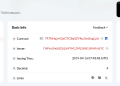

Kraken’s support for Arbitrum-based stablecoins looks like a listing update, but it points to something bigger. Exchanges are increasingly treating Layer-2 networks as real infrastructure rather than experimental add-ons.
That shift matters because stablecoins are one of the clearest use cases in crypto. If users can move dollars more cheaply and quickly on L2s, the practical value is obvious.
For more details, visit the official Kraken platform.
TL;DR
- Kraken added support for USDT0 and USDC.e on Arbitrum.
- The listings give users more stablecoin options on lower-cost rails.
- The move shows major exchanges are taking Layer-2 stablecoin infrastructure more seriously.
Why Users Care About The Chain
A stablecoin is only as useful as the rails it moves on. Mainnet Ethereum still has deep liquidity, but fees can make ordinary transfers unattractive. Arbitrum offers a cheaper route that can make stablecoin movement more practical.
For Kraken, supporting those assets helps the exchange meet users where they are already transacting. It also keeps the platform competitive with venues that support more network options.
The Broader Exchange Trend
Exchange listings used to be mostly about which token was added. Now the network matters too. Users want support for the version of an asset that fits their costs, wallets, and DeFi activity.
Kraken’s update fits that larger trend. Stablecoin liquidity is becoming multi-chain by default, and exchanges are adapting.
Why The Detail Matters Now
The practical takeaway is that Kraken stories now have to be read through both market structure and product execution. A headline can create attention, but the more durable signal is whether the underlying source points to real activity, a real filing, a real integration, or a measurable change in how users and institutions behave.
That is why this development is worth separating from ordinary market noise. It gives readers a specific point to track over the next few sessions rather than a vague reason to be bullish or bearish. If follow-up data confirms the direction, the story can build. If not, it still gives the market a clearer snapshot of where attention is concentrating today.
The Market Read
The cleaner way to read this story is not to force it into a simple bullish or bearish box. For Kraken readers, the useful part is the change in context. A new filing, integration, market signal, or regulatory step can alter how traders think about the next few sessions even when it does not instantly change price.
That is especially true after the last few volatile weeks, when crypto has been dealing with a mix of ETF flows, legal updates, exchange listings, protocol upgrades, and shifting liquidity. The market is no longer reacting to one dominant theme. It is weighing several smaller signals at once, and that makes source-backed developments more important than ordinary chatter.
Why Readers Should Keep This On The Radar
For Bitcoinist readers, the important question is what this changes from here. If follow-up data, filings, governance updates, or wallet movement confirm the direction, the story can develop into a larger market theme. If the next update is weak, delayed, or contradicted by new data, the market may quickly move on.
That is why the scope matters. This article is not treating the development as a guaranteed price trigger. It is treating it as a fresh signal inside a market that is trying to sort durable activity from short-term noise. The distinction is important because crypto narratives can move faster than the facts behind them.
The next thing to watch is whether this becomes part of a wider pattern. In some cases that means more institutional flows. In others it means stronger developer adoption, cleaner regulatory access, deeper exchange liquidity, or a clearer technical roadmap. Either way, the story is strongest if it is followed by measurable execution rather than another round of speculative headlines.
This report is based on information from Kraken.
This article was written by the News Desk and edited by Samuel Rae.